How to Maintain Your Roofline: Essential Care Tips for Norwich Homeowners

Keelan Kindleyside
Mar 12 26
6 min read
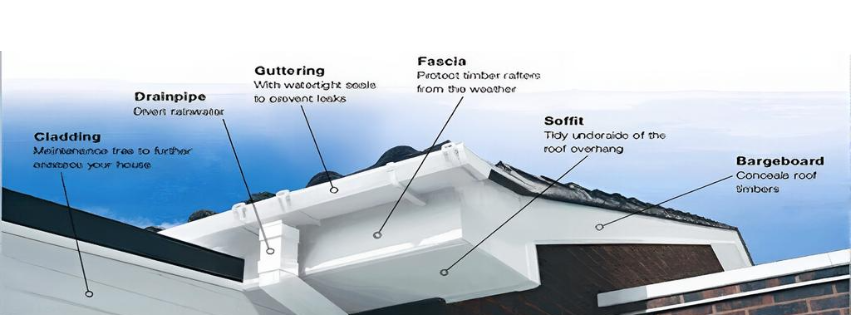
Your roofline protects your home from the elements, but it needs regular care to do its job properly. From fascias and soffits to guttering systems, each component plays a role in keeping your Norwich property safe and dry. This guide covers everything you need to know about maintaining your roofline throughout the year, helping you avoid costly repairs and extend the life of your installation.
Why Regular Roofline Maintenance Matters
Proper roofline maintenance can add years to your fascias, soffits, and gutters. When you stay on top of cleaning and inspections, you catch small issues before they become expensive problems. A well-maintained roofline typically lasts 20 to 30 years, while neglected systems may fail in half that time.
Ignoring your roofline leads to water damage, timber rot, and structural issues that cost thousands to repair. Water that overflows from blocked gutters can seep into your walls, damaging insulation and interior finishes. In severe cases, it can compromise the structural integrity of your roof timbers and rafters.
Norwich and East Anglia experience varied weather conditions that put extra stress on rooflines. The region sees moderate rainfall throughout the year, with autumn and winter bringing heavier downpours. Coastal winds can drive rain into small gaps, while temperature fluctuations cause materials to expand and contract. These conditions make regular maintenance even more important for local homeowners.
Understanding Your Roofline Components
Knowing what makes up your roofline helps you spot problems early and maintain each part correctly. The three main elements work together to protect your roof structure and keep water flowing away from your home.
Fascias and Bargeboards
Fascia boards run horizontally along the edge of your roof, providing a mounting point for guttering and protecting the exposed ends of roof timbers. They take the brunt of weather exposure and support the weight of your gutter system. Common signs of fascia wear include peeling paint on timber boards, discoloration on uPVC, sagging sections, and visible gaps between the board and roof edge.
Bargeboards cover the gable ends of your roof, sealing the edge against wind and rain. They protect the vulnerable junction where roof tiles meet the wall. When bargeboards deteriorate, wind-driven rain can penetrate behind your roofline, causing hidden damage. For professional fascia installation that stands up to local weather conditions, experienced specialists use quality materials and proper fixing methods.
Soffits and Ventilation
Soffits fit underneath your fascias, covering the underside of your roof overhang. They provide a clean finish while allowing air to circulate in your roof space. Proper soffit ventilation prevents condensation buildup that leads to mold growth and timber decay. Without adequate airflow, trapped moisture can rot roof timbers and reduce insulation effectiveness.
Watch for signs of soffit deterioration including water stains, peeling or bubbling surfaces, visible cracks or holes, and blocked ventilation slots. If you notice any of these issues, addressing them quickly prevents more serious problems. Quality expert soffit solutions include proper ventilation design matched to your roof size and layout.
Guttering Systems
Guttering channels rainwater away from your property, protecting walls, foundations, and landscaping from water damage. A properly functioning gutter system directs water into downpipes and away from your home's structure. When gutters fail, water cascades down walls, saturating brickwork and causing damp problems inside.
Common guttering issues in Norwich include blocked downpipes from autumn leaves, sagging sections due to bracket failure, leaking joints from worn seals, and overflow during heavy rainfall. Regular checks and cleaning prevent most of these problems. For persistent issues or aged systems, specialist guttering services can assess whether repair or replacement offers the best value.
Seasonal Maintenance Checklist for East Anglia Homes
Timing your roofline maintenance with the seasons helps you stay ahead of weather-related damage. Different times of year bring specific challenges that require targeted attention.
Spring Inspection Tasks
Spring is the perfect time to assess winter damage and prepare your roofline for the year ahead. Start by checking for any sections that have shifted or come loose during winter storms. Look for cracks in uPVC components or damaged paintwork on timber fascias that may have resulted from freeze-thaw cycles.
Clear away accumulated debris from gutters and valleys. Winter often deposits leaves, twigs, and moss that block water flow. Check all brackets and fixings, tightening any that have worked loose. Inspect the seals around joints and where guttering meets downpipes, as these often deteriorate during cold months. This is also an excellent time to trim back any overhanging branches that drop debris onto your roof.
Autumn Preparation
Autumn maintenance focuses on preparing your roofline for increased rainfall and winter weather. Clear all gutters and downpipes of fallen leaves before they mat together and create blockages. Pay special attention to valley gutters and areas under trees, as these collect organic matter quickly.
Inspect all seals and joints for weatherproofing. Apply fresh sealant to any gaps you find, as this prevents water penetration during winter rains. Check that all gutter brackets are secure and that guttering maintains a slight slope toward downpipes. Look for any loose soffit panels or fascia sections that wind might dislodge during autumn storms.
Consider installing gutter guards if you have large trees nearby. These simple additions reduce the frequency of autumn cleaning and prevent blockages during leaf fall. Make sure downpipe outlets are clear and directing water well away from foundations.
Year-Round Monitoring
Between seasonal deep cleans, monthly visual checks help you catch problems early. From ground level, look for obvious signs like sagging gutters, overflowing water, or staining on fascias. After heavy rain, check that water flows freely from downpipes without backing up or leaking from joints.
Watch for birds or insects showing interest in your roofline, as this often indicates gaps they might use for nesting. Look for vegetation growing from gutters, which signals blockages that need clearing. Check soffit vents remain unobstructed and that no panels have come loose.
If you spot anything concerning during your monthly checks, investigate further or call in professionals. Small issues fixed promptly rarely develop into major problems. For homeowners unsure about what they are seeing, trusted Norwich roofline specialists can provide expert assessment and advice.
How to Clean and Care for uPVC Roofline Components
Cleaning uPVC fascias and soffits keeps them looking good and functioning properly. Start by gathering your supplies: a bucket of warm water with mild detergent, a soft brush or sponge, a hose or pressure washer on low setting, and a stable ladder with someone to foot it.
Begin by removing loose dirt and cobwebs with a soft brush. Mix a solution of warm water with a small amount of washing-up liquid or specialized uPVC cleaner. Apply this with a soft sponge or brush, working in sections from bottom to top. For stubborn marks, let the cleaning solution sit for a few minutes before scrubbing gently.
Rinse thoroughly with clean water, ensuring no detergent residue remains. If using a pressure washer, keep it on a low setting and maintain a safe distance to avoid damaging seals or forcing water behind panels. Dry with a soft cloth to prevent water spots and give a polished finish.
Avoid harsh chemicals, abrasive cleaners, bleach-based products, and solvent cleaners, as these can damage uPVC surfaces or cause discoloration. Never use scouring pads or wire brushes that scratch the material. Clean your uPVC fascias and soffits twice yearly as a minimum, with additional cleaning if you notice dirt buildup. Gutters need clearing at least twice yearly, more often if you have overhanging trees.
Safety matters when working at height. Only work in dry, calm conditions with a helper present. Ensure your ladder is stable and positioned correctly. If you are uncomfortable working at height or your property is particularly tall, professional cleaning services offer a safer alternative. Many residential roofline services include maintenance packages that take care of routine cleaning.
Preventing Common Roofline Problems
Prevention saves money and protects your home from damage. Understanding common issues and how to avoid them keeps your roofline in top condition.
Blocked Guttering Prevention
Gutter guards and leaf protection systems reduce the amount of debris entering your gutters. Mesh guards fit over the gutter opening, allowing water through while keeping out leaves and twigs. They work particularly well in areas with lots of trees. Brush guards create a spiky barrier that lets water flow around while shedding leaves.
Establish a regular clearing schedule based on your property's surroundings. Properties with nearby trees need gutter cleaning three to four times yearly, while those in open areas may only need it twice. Clear gutters in late autumn after most leaves have fallen, and again in spring after winter debris accumulates.
Address blockage signs immediately to prevent overflow damage. Look for water spilling over gutter edges during rain, sagging gutter sections, plants growing from gutters, and staining on fascias below gutter level. These indicate blockages that need clearing before they cause structural damage.
Protecting Against Water Damage
Early warning signs of water infiltration include damp patches on interior walls near the roofline, peeling paint on fascias or soffits, mold or mildew smell in your loft space, and discolored or soft sections of timber. Catching these signs early prevents extensive damage to your roof structure.
Proper sealing and flashing keep water where it belongs. Check that flashing sits tight against walls and roof surfaces with no gaps. Inspect sealant around joints, ensuring it remains flexible and adhered to both surfaces. Replace any cracked or shrinking sealant promptly.
Adequate ventilation prevents moisture buildup that leads to condensation damage. Soffit vents must remain clear to allow air circulation through your roof space. This airflow carries away moisture before it condenses on cold surfaces. Balanced ventilation at eaves and ridge level creates the most effective air movement.
Dealing with Pest Intrusion
Birds, wasps, bees, and squirrels commonly target roofline areas in Norwich for nesting sites. Birds seek gaps between fascias and roof edges, while wasps build nests in soffit vents. Squirrels can gnaw through weakened timber or uPVC to access roof spaces.
Preventative measures include fitting vent guards over soffit ventilation, sealing any gaps between roofline components and walls, trimming back tree branches that provide access routes, and installing bird deterrent spikes on ledges where birds perch. Regular inspections help you spot attempted entry points before pests establish themselves.
When pest damage requires attention depends on the extent of harm. Surface scratching or minor gnawing can often be repaired, but significant structural damage to fascias or soffits usually needs component replacement. If pests have compromised the weather seal or created entry points for water, replacement becomes necessary to maintain your home's protection. A free consultation can help you determine the best course of action for pest-related damage.
When to Consider Professional Roofline Inspection
Some situations call for expert assessment beyond routine homeowner maintenance. If you notice persistent water stains despite clear gutters, sagging or pulling away sections, cracking sounds when wind loads the roofline, or daylight visible through gaps, professional inspection is wise.
Expert assessment every three to five years catches developing issues before they become emergencies. Professionals have the equipment and training to safely access and inspect areas homeowners cannot reach. They can assess the condition of hidden components like roof timbers and identify problems not visible from ground level.
Professional roofline inspections identify hidden issues including timber rot behind uPVC cladding, inadequate ventilation causing condensation, incorrectly installed components that will fail prematurely, and minor defects that will worsen without intervention. Early detection of these problems saves money compared to emergency repairs.
A thorough professional inspection includes checking all fascia boards for secure fixing and condition, examining soffit ventilation and panel integrity, testing gutter falls and bracket security, inspecting all joints and seals, assessing the condition of any timber substrates, checking for signs of pest damage or access points, and reviewing compliance with current building standards. The inspector should provide a detailed report with photographs and recommendations. With 30 years of roofline experience, established specialists can spot potential problems that inexperienced eyes might miss.
Extending the Lifespan of Your Roofline Installation
Quality uPVC roofline components typically last 25 to 35 years when properly maintained. Timber fascias and soffits have a shorter lifespan of 15 to 25 years, depending on treatment and exposure. Guttering systems usually need replacing every 20 to 30 years, though individual components may fail sooner.
Proper maintenance maximizes your investment by preventing premature failure. Regular cleaning removes corrosive substances and prevents water retention. Timely repairs stop small issues spreading to adjacent components. Good ventilation prevents condensation damage that shortens lifespan. These simple practices can add a decade or more to your roofline's service life.
Understanding warranty requirements ensures you remain covered. Most quality installations come with a minimum 10-year guarantee, but this typically requires following maintenance guidelines. Keep records of cleaning and inspections, address problems promptly when they arise, use appropriate cleaning products, and have any repairs done by qualified professionals. Failing to maintain your roofline may void warranty coverage.
Replacement becomes more cost-effective than repairs when damage is widespread, components have reached the end of their expected lifespan, repair costs approach 50% of replacement cost, or you are planning other exterior work. Sometimes replacing an aged roofline as part of broader home improvements makes financial sense, even if components are still functioning.
Local Building Regulations and Roofline Maintenance
Norwich and Norfolk follow national building regulations with some local planning requirements. Routine maintenance like cleaning, minor repairs, and like-for-like component replacement generally does not require building control notification. However, significant alterations or complete roofline replacement may need approval.
Compliance considerations for roofline work include ensuring proper ventilation meets current standards, using materials appropriate for the building type and conservation area status if applicable, maintaining adequate gutter capacity for roof area, and following safety regulations for working at height. Listed buildings and properties in conservation areas have additional restrictions on materials and appearance.
Building control notification becomes necessary when structural changes affect roof support, you change roofline materials in ways that alter the building's appearance significantly, work involves listed buildings, or alterations affect party walls shared with neighbors. When in doubt, check with your local building control office before starting work.
Using certified professionals for major repairs ensures compliance with all relevant regulations. Qualified roofline specialists understand local requirements and can advise on what approvals you need. They carry appropriate insurance and follow safety standards that protect you and their workers. Work completed to industry standards also supports property value and helps if you sell your home.
DIY Maintenance vs Professional Services
Homeowners can safely handle basic gutter cleaning from a stable ladder, washing down uPVC fascias and soffits from ground level or low ladder, visual inspections for obvious damage, clearing soffit vents of debris, and minor adjustments to loose brackets within easy reach. These tasks require no special equipment beyond a good ladder and basic tools.
Work requiring professional expertise includes anything involving roof access, repairs to structural components, complete section replacement, addressing water damage or timber rot, work on buildings over two stories, and dealing with asbestos-containing materials in older installations. Professionals have the training, equipment, and insurance to handle these tasks safely.
Safety risks associated with roofline access include falls from height causing serious injury, ladder accidents from improper placement, electrical hazards from overhead power lines, structural failure when working on deteriorated components, and weather-related risks like wind or wet surfaces. These dangers make professional services worthwhile for complex or high-level work.
Cost considerations for professional maintenance services vary based on property size and access difficulty. Routine inspection and cleaning typically costs less than emergency repairs for neglected systems. Many specialists offer maintenance packages that provide better value than one-off callouts. When you factor in equipment costs, safety risks, and your time, professional services often represent good value. For expert advice on maintenance packages and pricing, contact our expert team for detailed information specific to your property.
Frequently Asked Questions
How often should I inspect my roofline in Norwich?
Inspect your roofline visually every month from ground level, looking for obvious issues like sagging gutters or overflowing water. Conduct a more detailed inspection twice yearly, ideally in spring and autumn. Professional inspections every three to five years help catch problems you might miss.
What are the signs that my fascias need replacing rather than cleaning?
Replace fascias when you see soft or spongy areas indicating rot, significant warping or bowing, large cracks or splits in the material, sections pulling away from the wall, or extensive flaking paint that exposes bare timber. If damage affects more than 30% of the fascia board, replacement usually makes more sense than patching.
Can I clean my own gutters safely, or should I hire professionals?
You can clean your own gutters if you have a stable ladder, someone to help, and feel comfortable working at height on a single-story building. Always work in dry, calm conditions and never overreach. For two-story properties, steep roofs, or if you have any doubts about safety, hiring professionals is the smarter choice.
How does the East Anglia climate affect roofline maintenance needs?
East Anglia's moderate rainfall and coastal winds mean rooflines face constant moisture exposure and wind-driven rain. Temperature fluctuations cause material expansion and contraction that can loosen fixings over time. These conditions make regular maintenance more important than in drier, more sheltered regions. Check seals and fixings more frequently if you live near the coast.
What maintenance tasks can extend my roofline guarantee?
Most guarantees require you to keep gutters clear of debris, address any damage promptly, clean uPVC components regularly with appropriate products, maintain adequate roof ventilation, and have repairs done by qualified professionals. Keep records of your maintenance activities and any professional work completed, as you may need these to claim on your guarantee.
How do I know if water damage has affected the timber behind my fascias?
Signs of timber damage include fascias that feel soft when pressed, visible sagging or drooping sections, water stains spreading beyond the immediate leak area, peeling paint that reveals dark discoloration, and a musty smell near the roofline. If you suspect timber damage, get professional assessment quickly, as rot spreads and weakens roof structure.
Are there specific cleaning products I should avoid on uPVC roofline?
Avoid bleach-based cleaners that can cause yellowing, solvent-based products that damage uPVC surfaces, abrasive creams or powders that scratch the finish, and acidic cleaners that degrade the material. Stick to mild detergent solutions or specialized uPVC cleaners. Always test any product on a small, hidden area first.
When is the best time of year to schedule professional roofline maintenance?
Late spring or early summer offers the best conditions for roofline work, with dry weather and moderate temperatures. This timing allows professionals to address any winter damage before autumn rains arrive. Autumn is the second-best choice, preparing your roofline for winter. Avoid scheduling work during winter months when cold, wet conditions make repairs difficult and materials harder to work with.
Protect Your Norwich Home with Proper Roofline Care
Maintaining your roofline protects one of your home's most important weather barriers. Regular inspections, seasonal cleaning, and prompt repairs keep fascias, soffits, and guttering working properly for decades. While some tasks suit DIY maintenance, knowing when to call professionals prevents small issues becoming costly disasters.
Norwich homeowners face specific challenges from local weather conditions that make roofline maintenance even more important. By following the seasonal checklist and watching for warning signs, you can catch problems early and extend your roofline's lifespan. Remember that quality installation and proper care work together to protect your property investment and keep your home dry and secure through all seasons.